Sensitive Skin Care
Claya Skincare
3972 Barranca Parkway
Ste J #299
Irvine, California 92606
949-522-8995
hello@clayaskin.com

Unveil the radiance of your fresh skin layer with our rejuvenating pink Himalayan salt scrub.


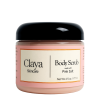


Welcome your new layer of soft skin with open arms.
Our Himalayan Pink Salt-based body exfoliator is designed to gently scrub off those old, lifeless skin layers. Unlike many other body scrubs, this one simplifies your routine with a single step—no need to wash off any lingering oily residue that others might leave behind.


Body scrubs and exfoliators boast a fascinating history, reflecting diverse methods and cultural influences that have spanned centuries.
In ancient Egypt, people relied on abrasive materials such as sand, alabaster, and pumice, often combined with natural oils like olive oil and sesame oil, for their exfoliation rituals.
Ancient Greece and Rome introduced the use of strigils—a metal tool for scraping off dirt and dead skin—during bathhouse sessions. This method ensured cleanliness and exfoliation.
Japan, renowned for its dedication to skincare, incorporated rice bran and green tea into their exfoliation practices, showcasing their unique approach to achieving smooth and youthful skin.
During the Renaissance period, Europe witnessed a resurgence of skincare interest. Oatmeal, milk, and honey were favored ingredients in exfoliating pastes, contributing to the revival of skincare routines.

Throughout history, these varied methods and traditions have shaped the evolution of body scrubs and exfoliators, leading to the diverse range of products available today. Whether drawing from ancient Egyptian wisdom, Greek and Roman bathhouse traditions, Japanese natural ingredients, or Renaissance-era recipes, these products continue to be essential for maintaining healthy and radiant skin in our modern age.
The practice of exfoliating the skin can be traced back to ancient Egypt, where it was considered essential for maintaining skin health and beauty. The Egyptians used natural exfoliants such as sand and alabaster particles to scrub away dead skin cells and impurities. This practice was not only for cosmetic purposes but also had therapeutic benefits, as exfoliation helped alleviate skin conditions and promote overall well-being.
Throughout history, various cultures incorporated exfoliation into their skincare routines. In ancient Greece, athletes used a combination of olive oil and sand to cleanse their bodies and enhance their athletic performance. In India, the Ayurvedic tradition advocated for exfoliation using natural ingredients like turmeric and chickpea flour to achieve radiant skin.

An environmentally friendly mineral rich exfoliant that provides extra strength to the scrub.
Harvested from an ancient salt deposit nestled in the Punjab mountain region, this mineral-rich rock salt adds a special touch to our body scrub. Its natural mineral content, including magnesium, potassium, and calcium, helps to exfoliate dead skin cells and promote skin renewal, leaving the skin smooth and revitalized.
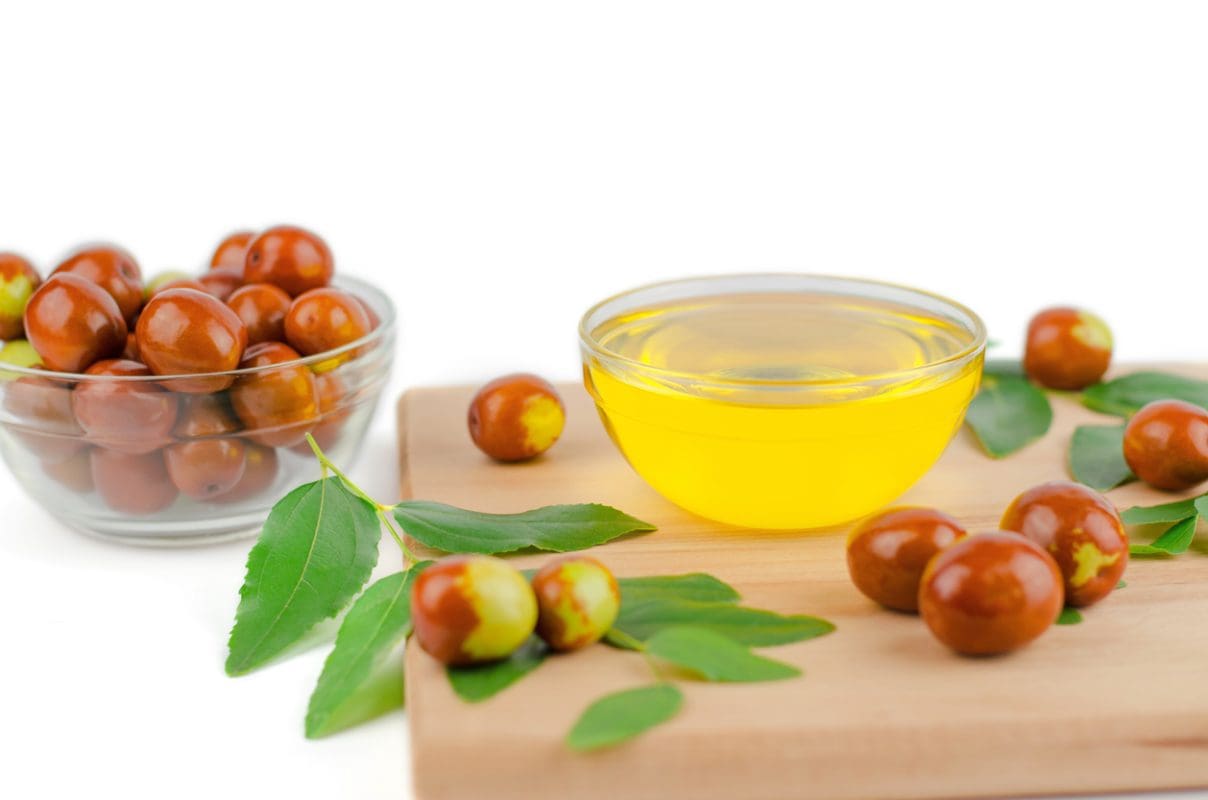
Jojoba Oil improves skin exfoliation by preventing harsh abrasion on the skin. It also provides the smooth spread of exfoliants, keeping the skin moisturized for a smoother experience.
Jojoba Oil stands out with its waxy texture that mimics the skin's natural oils, providing optimal moisture balance. Packed with vitamins and antioxidants, this versatile oil nourishes and soothes, promoting a healthy complexion. Known for its non-comedogenic properties, Jojoba Oil helps control excess oil production, making it an ideal choice for all skin types.
A lightweight oil that facilitates the even distribution of exfoliants within the scrub.
Apricot Kernel Oil is rich in Vitamin A and linoleic acid, offering deep hydration and nourishment. This lightweight oil helps promote skin elasticity, reduces the appearance of fine lines, and supports a radiant complexion. With its antioxidant properties, Apricot Kernel Oil is a versatile ally for maintaining skin health, leaving your skin soft, supple, and beautifully rejuvenated.

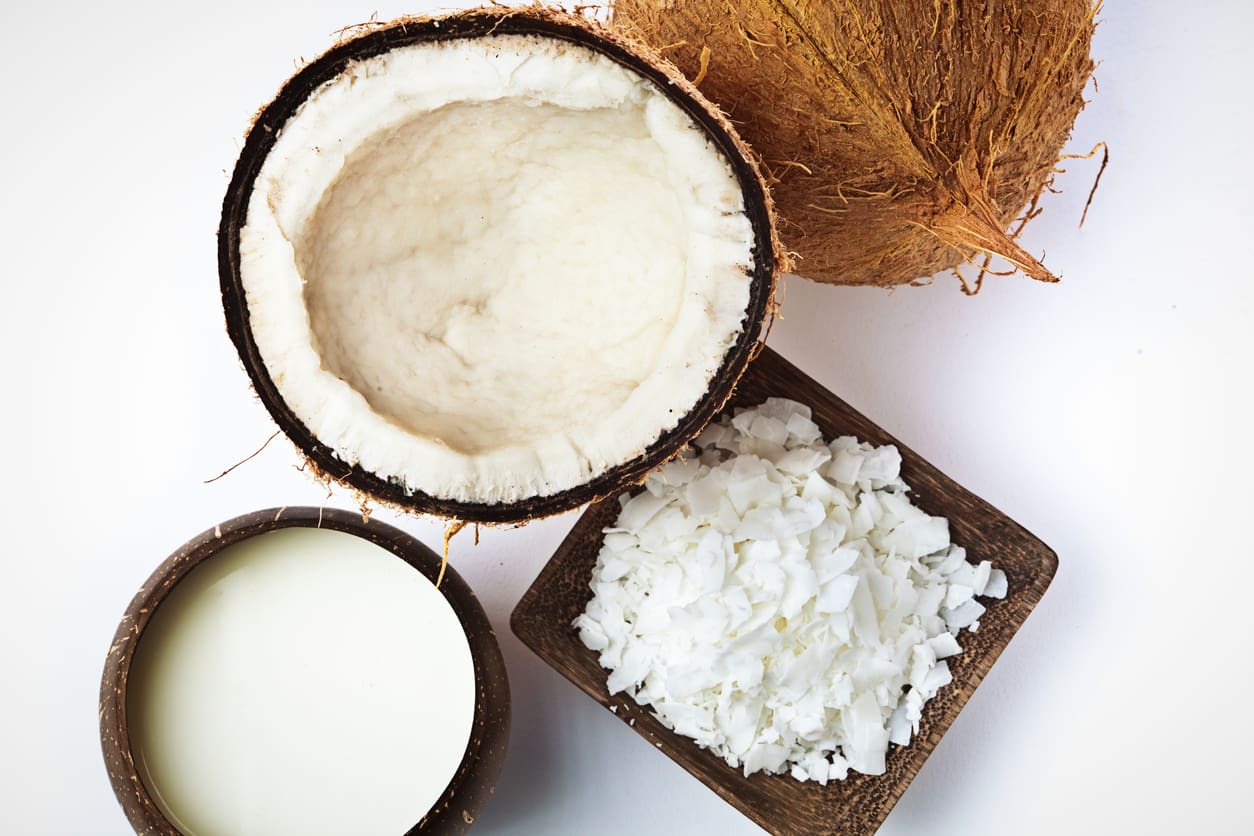
This naturally derived preservative is sourced from coconuts and the probiotic bacteria lactobacillus.
The art of fermentation not only results in preserved pickles for consumption but also proves to be a valuable method for preserving other items susceptible to spoiling. Coconuts contain unique fats, including the medium-chain triglyceride lauric acid, known for its antifungal, antiviral, and antimicrobial properties. During the fermentation of coconuts by lactobacillus, not only is lauric acid enhanced, but additional beneficial antimicrobial compounds are also generated.
The distinctive compounds within coconuts, such as lipopeptides and phytocompounds, combined with the fermentation by lactobacillus, yield valuable antifungal and antibacterial compounds. The digestion and interaction of these lipopeptides in coconuts by lactobacillus bacteria produce preservatives that can be utilized through natural fermentation, providing a naturally derived, non-toxic, and skin-friendly alternative for natural skincare products.
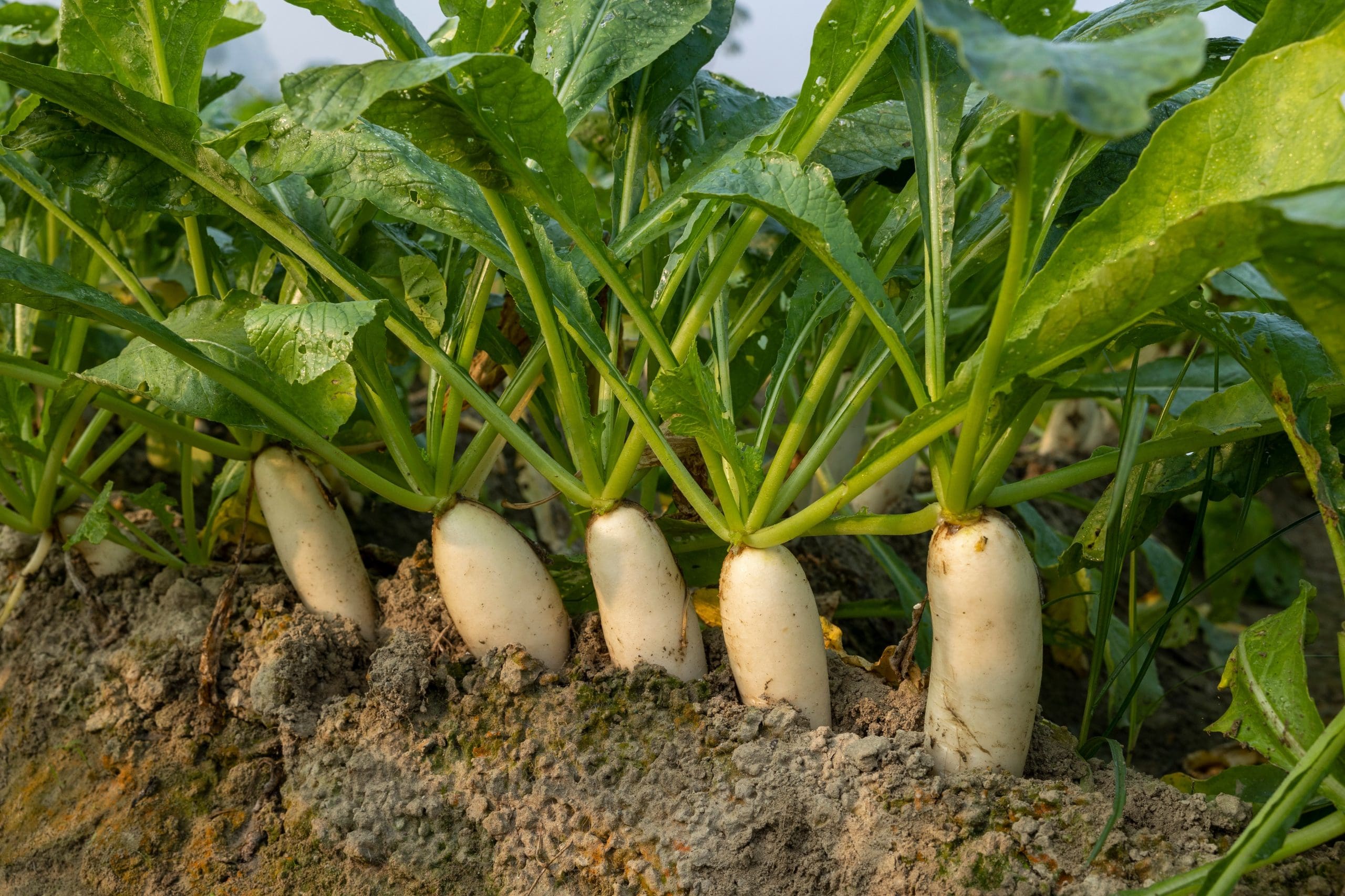
A root vegetable sourced alternative preservative in our products.
Distinguished by its unique approach to combating bacterial formation, this natural preservative plays a pivotal role in natural products seeking a non-synthetic and non-toxic preservation option. This antimicrobial excels in extending the shelf life of products and reducing the risk of external contamination. Derived from fermented radish root (Raphanus sativus), a common ingredient in pickling across Korea, China, and the Middle East, the Leuconostoc kimchii fermentation filtrate stands out as both functional and cost-effective as an antimicrobial agent.
As Leuconostoc kimchii feeds on the radish root, the bacteria possess the ability to preserve itself by inhibiting the growth of competing bacteria, a phenomenon attributed to the production of bacteriocins and lactic acid during fermentation. These compounds act as antimicrobials, creating an environment inhospitable for competing bacteria to thrive. Importantly, unlike some bacteria found on our underarms, the Leuconostoc kimchii bacteria are not odorous.
The filtrate from this radish root ferment emerges as an excellent alternative for individuals with reactive skin, providing a safe and non-toxic option compared to commonly used synthetic preservatives.

As our skin continuously sheds old layers to make way for new ones, it's essential to effectively clear away any lingering old layers. Our body scrub is specially formulated to gently exfoliate, removing old skin cells and revealing fresh, radiant skin beneath.
Gently massage a thin layer onto wet skin to loosen and exfoliate away any rough skin.
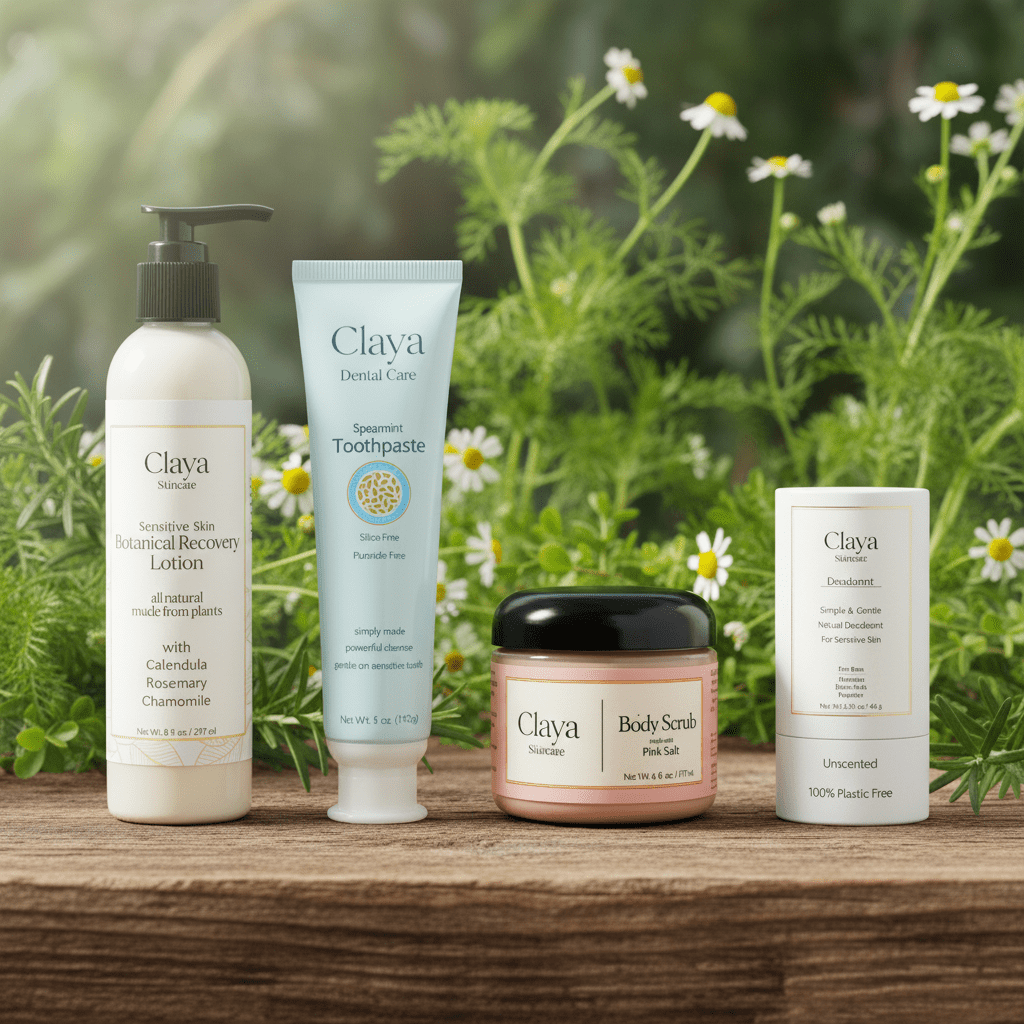
 Body Scrub
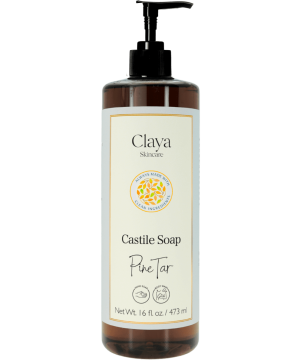
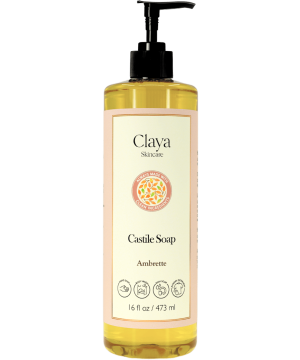
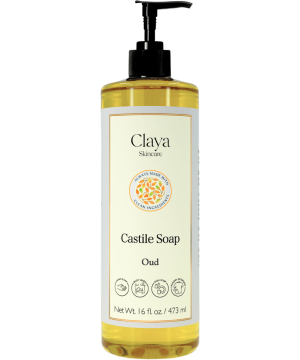
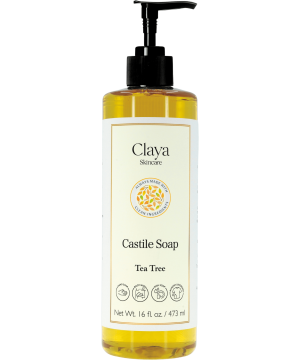
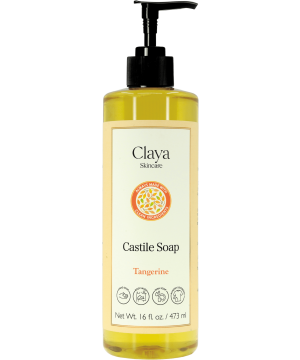
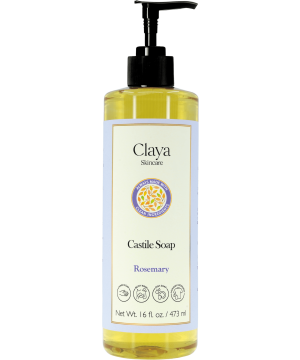
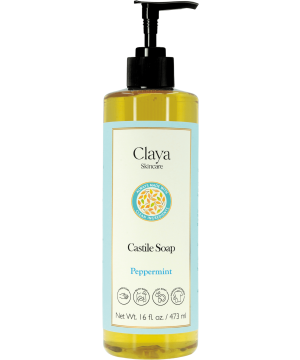
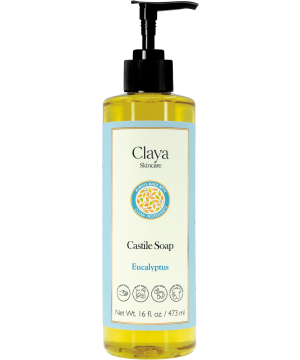
Claya's
Easy Returns &
Satisfaction Guaranteed
At Claya, we pour our passion and care into every batch we create. We trust that our products will serve you as they have served us. If, for any reason, our product doesn't meet your expectations, please inform us, and we'll gladly issue a refund. Your feedback is invaluable to us as we continually strive to improve. Explore our complete return process to find out more.


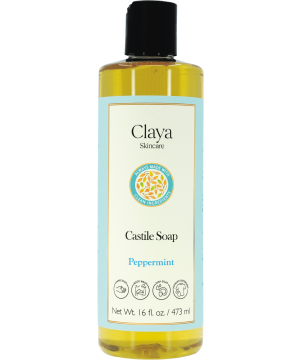
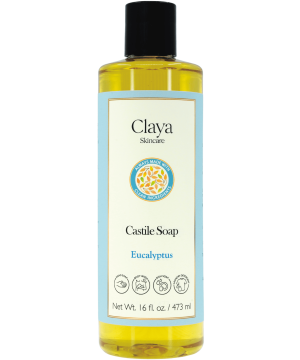
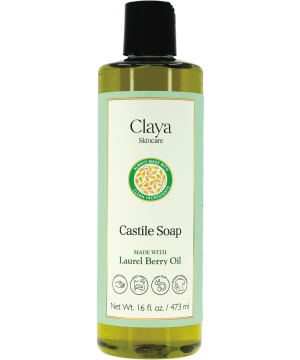
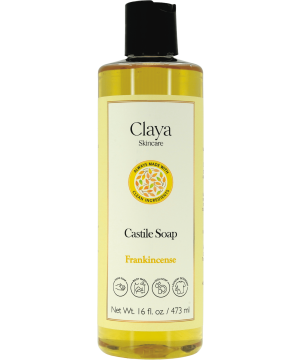
Perfect ratio of salt scrub to cream that makes exfoliating easy without leaving super oily residues that require another soap rinse to remove. Better formulation than oil based salt scrubs.
Not a bad way to exfoliate. I think I prefer sugar scrub as an exfoliant but this is much better than other salt body scrubs I’ve used.
Refreshing and doesn’t leave an oily residue after rinse. Used this to exfoliate my arms and legs and it worked very well and didn’t leave an super oily residue as typical body scrubs.